|
A menu tells customers what you serve. A food label tells them what is actually in front of them. Here's why Malaysian restaurants, cafés and hotels should pay attention to both.
.png) Restaurant Menu vs Food Labels: Why Customers Read Both Before Ordering
Restaurant Menu vs Food Labels: Why Customers Read Both Before Ordering
🍽️ Your Menu Tells Customers What You Sell — But Is That Enough?
(2).png)
When customers sit down at a restaurant, café or hotel buffet, they usually look at the menu first.
They want to know:
What food is available?
How much does it cost?
What should I order?
But once they are standing in front of the actual food, another question appears:
"What exactly is this?"
This is where food labels become important.
A menu and a food label serve different purposes.
📋 Menu
Helps customers decide what they want to order.
🏷️ Food Label
Helps customers understand what they are looking at and choosing.
For restaurants and hotels offering buffets, bakeries, delis and food displays, having clear information at the point of choice can make the customer experience much easier.
⚠️ The Problem: Customers Don't Always Know What's in Front of Them
Imagine a hotel buffet with 30 dishes.
A guest sees:
🍲 Curry
🥗 Salad
🍝 Pasta
🍚 Rice
🥐 Pastries
🍰 Desserts
Some dishes are obvious.
Others aren't.
A customer may wonder:
❓ What ingredients are in this?
❓ Is it spicy?
❓ Does it contain nuts?
❓ Is it vegetarian?
❓ Is this chicken, beef or seafood?
❓ What is the name of this dish?
Instead of repeatedly asking F&B staff, a clear food label can provide useful information directly at the buffet.
📋 Menu vs Food Label: What's the Difference?
(2).png)
It's easy to think that a menu and food label are basically the same thing.
They're not.
📋 The Menu
A restaurant menu usually provides:
Dish names
Descriptions
Prices
Categories
Promotions
Available options
It helps customers make their ordering decision.
🏷️ The Food Label
A food label sits directly beside the product or dish.
It can provide:
Dish name
Ingredients
Allergen information
Dietary information
Translations
Icons or pictograms
It helps customers identify and understand the food in front of them.
This is particularly useful in self-service environments where customers choose food themselves.
🌏 Why This Matters in Malaysia
(2).png)
Malaysia has a diverse food culture and a diverse customer base.
A restaurant or hotel may serve:
🇲🇾 Local Malaysian customers
🇨🇳 Chinese-speaking customers
🇯🇵 Japanese tourists
🇰🇷 Korean tourists
🇸🇬 Singaporean visitors
🇬🇧 European travellers
🇦🇺 Australian travellers
Not every guest will immediately understand every dish.
For example:
"Nasi Kerabu"
may be familiar to a Malaysian customer.
But an international guest may want additional information about what the dish contains or how it is prepared.
Providing additional information in multiple languages can make the food display easier to understand for international guests.
⚠️ Allergens Can Be an Important Part of Food Information
(2).png)
Food allergies are another reason clear food information matters.
A guest may need to know whether a dish contains ingredients such as:
🥜 Peanuts
🥛 Milk
🥚 Eggs
🌾 Gluten-containing ingredients
🦐 Shellfish
The information displayed should always be based on the restaurant or hotel's actual ingredients and food-safety procedures.
But from a communication perspective, food labels provide a convenient place to present relevant allergen information.
Edikio Guest supports the creation of labels containing allergen information and pictograms.
🏷️ A Food Label Is Part of the Customer Experience
Think about the difference between these two buffet displays.
Option A
CHICKEN CURRY
A basic card beside the dish.
Option B
CHICKEN CURRY
Traditional Malaysian-style curry
🌶️ Spicy
🥜 Contains peanuts
The second example gives the customer more information before they make their choice.
The design can also be aligned with the restaurant or hotel's visual identity.
Edikio Guest allows hospitality businesses to customise food cards with logos, graphic elements and different information.
🔄 What Happens When Your Menu Changes?
This is one of the practical problems F&B teams face.
Today's buffet might have:
Monday
Chicken Rendang
Fish Curry
Vegetable Pasta
Tuesday
Beef Rendang
Grilled Fish
Chicken Pasta
Wednesday
Something completely different.
Hotels may also have:
🎄 Christmas menus
🌙 Ramadan buffets
🎉 Wedding events
🏢 Corporate functions
🍽️ Seasonal promotions
When dishes change, the corresponding food information needs to change too.
Edikio Guest is designed for hospitality food labelling and supports reusable templates, making it easier for teams to create consistent food cards for changing menus.
⏱️ Don't Make Your F&B Team Rebuild Every Label
A professional food labelling system should make menu changes easier—not create more work.
With a structured template approach, the F&B team can maintain a consistent design while changing information such as:
Dish Name
Description
Language
Allergen
Dietary Information
This means the hotel doesn't have to redesign the entire visual format every time a dish changes.
Edikio states that its Edikio Guest solution can print a card in less than 15 seconds, helping hospitality teams produce food labels when needed.
✨ Professional Food Labels Also Improve Presentation
Customers eat with their eyes.
That starts before they take the first bite.
A well-organised buffet with consistent food cards can make the entire food display look more professional.
Instead of different:
❌ Fonts
❌ Card sizes
❌ Colours
❌ Layouts
❌ Information formats
the restaurant can maintain a consistent visual identity.
This is particularly important for:
🏨 Hotels
🍽️ Restaurants
🥐 Bakeries
🧀 Delis
🍱 Catering businesses
💡 What Should You Put on a Food Label?
There's no single format that works for every business.
But depending on the food and your operation, a label could include:
🏷️ Basic Information
Dish name
Description
🌏 Guest Information
Multiple languages
⚠️ Food Information
Allergens
Ingredients
🥗 Dietary Information
Vegetarian
Vegan
Halal
Other relevant dietary indicators
✨ Branding
Restaurant or hotel logo
Brand colours
Custom design
The information should always be accurate and reflect your actual food preparation and food-safety practices.
📱 Can Food Labels Become More Interactive?
Traditional food labels provide information directly at the food display.
But businesses can also explore digital elements such as QR codes, depending on their application.
For example, a QR code could potentially direct customers to:
📋 Detailed menu information
🥗 Nutritional information
🌏 Additional translations
📖 Product information
🎁 Promotions
This can allow a physical food display to connect with additional digital information.
However, the QR code should complement the physical food label rather than replace essential information customers need at the point of selection.
💬 Don't Forget to Ask What Your Customers Think
A restaurant can improve its food labels.
A hotel can improve its buffet presentation.
But there's still one question:
Did the customer actually have a better experience?
This is where collecting guest feedback becomes valuable.
For hotels and hospitality businesses using AGen Feedback Portal, customer feedback can complement the physical food presentation process.
For example, businesses can collect feedback about:
🍽️ Food quality
👨🍳 F&B service
🏨 Dining experience
😊 Customer satisfaction
💬 Suggestions
The goal is to move beyond simply displaying food information.
Show customers better information → collect their feedback → use the feedback to improve.
🔗 Edikio + AGen: Two Different Problems, One Better Guest Experience
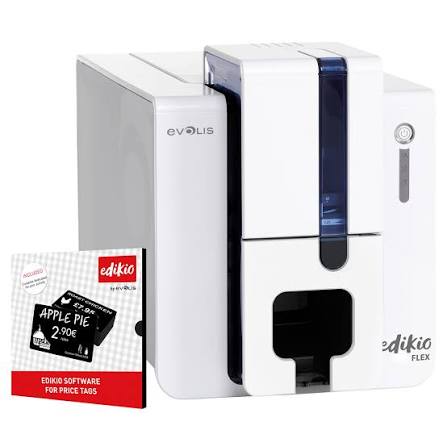
These solutions shouldn't be treated as the same thing.
🏷️ Edikio
Helps customers understand the food in front of them.
↓
💬 AGen Feedback Portal
Helps the business understand what customers think.
↓
📊 Hotel / Restaurant Team
Uses the information to improve the dining experience.
This creates a more complete customer journey.
Inform → Experience → Feedback → Improve
🚀 Your Menu Starts the Decision. Your Food Label Helps Finish It.
(2).png)
A menu and a food label aren't competing with each other.
They answer different customer questions.
The menu says:
"Here is what we offer."
The food label says:
"Here is what you're looking at."
And after the customer has experienced the meal:
Guest feedback says:
"Here's what we thought."
For Malaysian restaurants, hotels, bakeries and other food businesses, combining professional food labelling with structured customer feedback can help create a more informative and customer-focused dining experience.
👉 Click the link below to learn more about Edikio food labelling solutions.
https://www.alcaidc.com/Public/ProductGroupDetail.aspx?model=EDIKIOFLEX&Brand=EVOLIS
❓ Frequently Asked Questions
1. What's the difference between a restaurant menu and a food label?
A menu usually helps customers decide what they want to order, while a food label provides information directly beside the food or product being displayed.
2. What information can be included on hotel buffet food labels?
Depending on the hotel's requirements, labels can include dish names, descriptions, translations, allergen information, dietary information, icons and branding.
3. Can Edikio print multilingual food labels?
Yes. Edikio Guest is designed for hospitality applications and supports multilingual food information.
4. Can hotels change food labels when the buffet menu changes?
Yes. Edikio Guest supports templates and can help hospitality teams create consistent labels for changing menus.
5. Can food labels include allergen information?
Yes. Edikio Guest supports allergen information and pictograms for hospitality food labelling.
📥 Explore More:
Download our company brochure to discover solutions for:
- Edikio Food Label Printing
- Hotel & Hospitality Solutions
- Food Labelling
- Guest Feedback
- Digital Transformation
- ID Card Printing
- Barcode & RFID Solutions
Download the ALC Tech Solutions Brochure:
https://www.alcaidc.com/Public/Brochure/BrochureSolution.aspx
By:
kavi
| Date:
27 Aug2026
|