Inroduction
Upgrading to facial recognition (FR) CCTV isn't just about doubling up on what you already have; it’s about moving from passive recording to active intelligence. While your current tools handle the "who" (attendance) and the "what" (security), FR CCTV handles the "where" and "how" in real-time and searchable format.
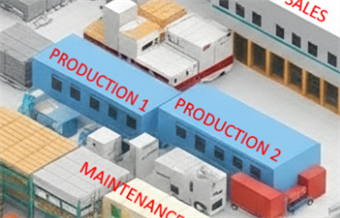
Production/Assembly: The heart of the plant where raw materials become finished goods.
It allows management to link specific outputs or errors to individual operators for targeted training, accurately track specialized labor costs, and verify that only qualified personnel are operating complex machinery, significantly improving both quality control and workplace safety.
.png)
Quality Control (QC): Ensures products meet specific standards and tolerances.
It creates a clear "chain of custody" for inspections, allowing the factory to trace defects back to specific shifts or inspectors. This data helps identify training gaps and prevents "pencil whipping" by holding individuals responsible for their approvals.
.png)
Warehouse/Logistics: Manages incoming raw materials and outgoing shipments.
It identifies who handled specific shipments or moved high-value stock, creating clear accountability for discrepancies. This data also tracks individual picking speeds, allowing managers to optimize warehouse workflows and recognize high-performing staff based on precise movement logs.
.png)
Maintenance: Keeps the machinery running and handles repairs.
It tracks which technician performed specific repairs, ensuring work meets safety standards. This data identifies skill gaps for training and prevents unauthorized personnel from attempting high-risk repairs on critical machinery, reducing the likelihood of future equipment failure.
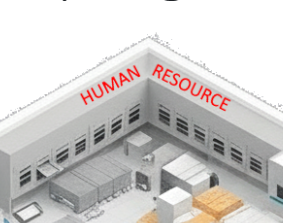
Human Resources (HR): Manages staffing, training, and payroll.
It tracks who accesses sensitive employee files, payroll data, or medical records, preventing unauthorized leaks. This creates a "digital footprint" for every administrative action, protecting the company from legal liability and ensuring internal policy integrity.
By:
pang
| Date:
18 Feb2026