IntroductionDisposal and write-off processes in supermarket receiving warehouses or retail store receiving warehouses are essential for maintaining inventory accuracy, product quality, and regulatory compliance. These processes are applied to goods that are no longer suitable for sale due to reasons such as damage, expiry, contamination, or non-compliance with quality standards. Effective handling of such items ensures that only safe and sellable products remain within the supply chain, protecting both customers and the brand’s reputation.
In a typical warehouse environment, items identified for disposal are first segregated from regular inventory and clearly labeled to prevent accidental distribution. Staff may conduct a verification process to confirm the condition and reason for disposal, often supported by system records or photographic evidence. Once verified, the items are officially written off in the inventory management system, reducing stock quantities and recording the financial impact for accounting and audit purposes.
Proper documentation is a critical component of the disposal and write-off process. It provides traceability, supports internal controls, and ensures compliance with company policies and local regulations, especially for sensitive categories such as food and perishable goods. Depending on the nature of the products, disposal methods may include returning items to suppliers, recycling, or destruction in accordance with environmental and safety guidelines.
Overall, a well-managed disposal and write-off process enhances operational efficiency, minimizes losses, and ensures that warehouse operations remain aligned with quality standards and legal requirements.
FeatureItems identified as unsellable due to damage, expiry, or obsolescence
Formal documentation required to initiate write-off authorization
Quality control team verifies goods cannot be returned or salvaged
Financial system updated to remove asset value from inventory records
Write-offs categorized by reason code for loss analysis and reporting
Secure destruction protocols for confidential or high-value items
Regular audits conducted to track shrinkage and prevent fraudulent write-offs
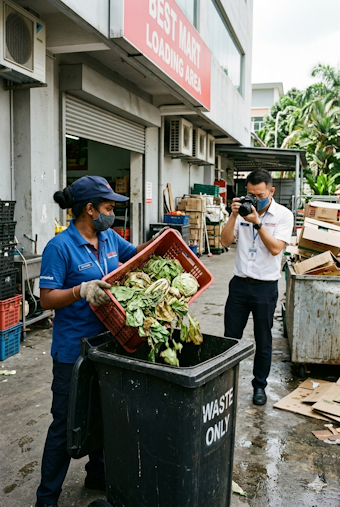

 Retail Warehouse