IntroductionReturn from Customer is an essential reverse logistics process in supermarket receiving warehouses and retail store receiving warehouses, ensuring that products returned by customers are properly managed, assessed, and reintegrated into the supply chain where applicable. This process typically begins at the customer service counter or returns desk, where items are received along with proof of purchase and the reason for return, such as defects, damages, incorrect items, or customer dissatisfaction.
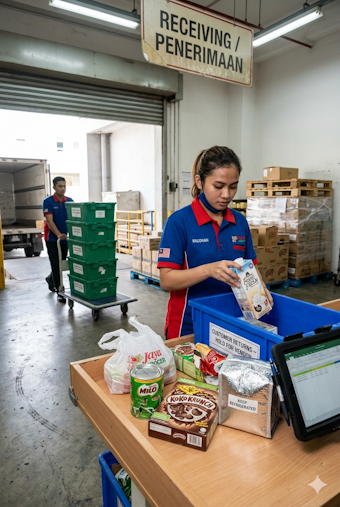
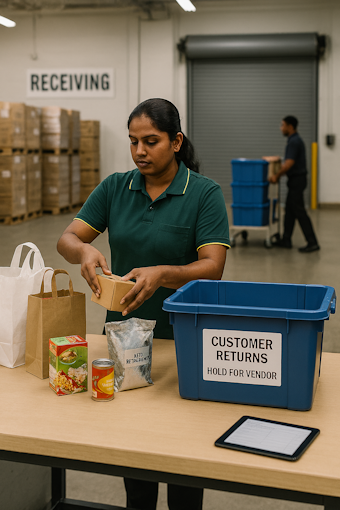
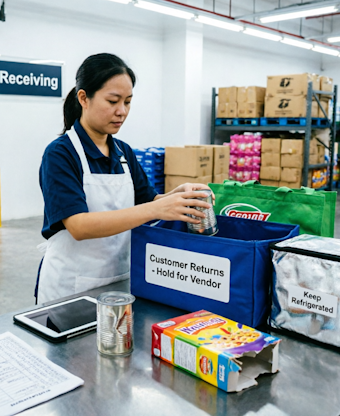
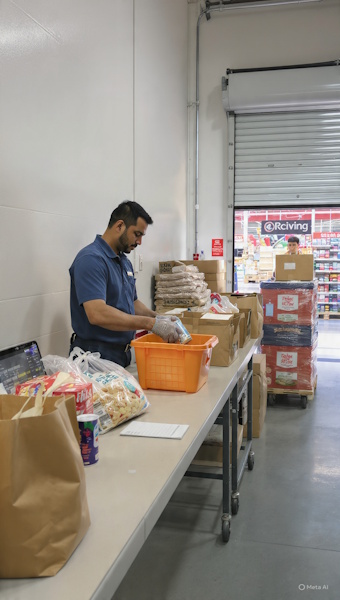
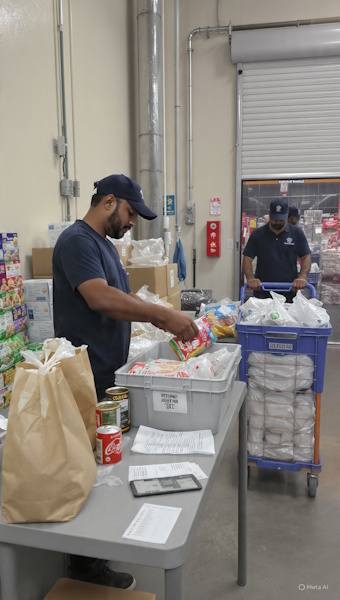
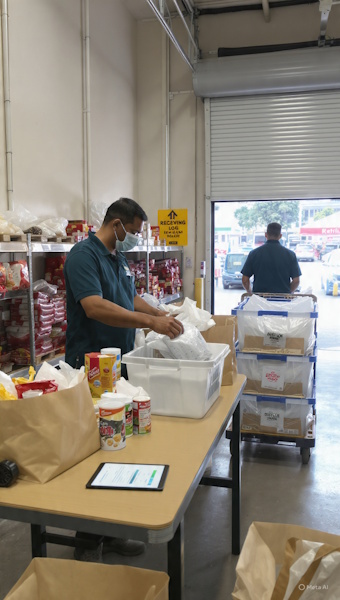
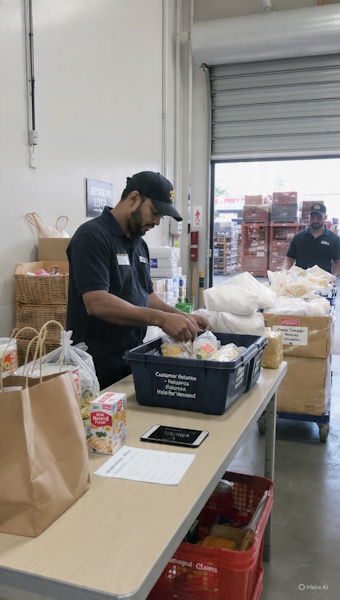
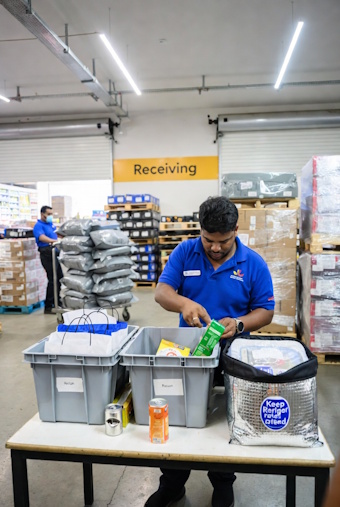
Once accepted, returned goods are transferred to the receiving warehouse or designated backroom area for further handling. In a supermarket receiving warehouse, returns are usually consolidated in larger volumes and processed systematically. Items are inspected to determine their condition and categorized accordingly—whether they can be restocked, require disposal, or need to be returned to the supplier. Accurate recording in the system is crucial to maintain inventory accuracy and ensure proper financial reconciliation.
At the retail store receiving warehouse level, the process is typically more immediate due to limited storage space. Store staff quickly assess returned items and decide on the next course of action, often prioritizing fast restocking for sellable goods or segregating unsellable items to prevent contamination of available inventory. Clear labeling and temporary holding areas are commonly used to manage these returns efficiently.
An effective return-from-customer process helps maintain customer trust and satisfaction while minimizing losses. It also supports inventory integrity and provides valuable insights into product quality and customer behavior. Standardized procedures, proper documentation, and timely decision-making are key to ensuring smooth and controlled handling of customer returns.
FeatureInitiated by customer dissatisfaction, defects, or buyer's remorse
Requires valid proof of purchase for return authorization
Items transported back to store or central receiving warehouse
Receiving staff verify return eligibility against store policy
Goods undergo quality inspection and condition grading
System inventory records updated to reflect returned stock
Eligible items cleaned, repackaged, and restocked for resale
Defective goods routed to suppliers, refurbishment, or disposal
Refunds or exchanges processed upon return approval
Return data analyzed to identify trends and reduce future returns
 Retail Warehouse