IntroductionQuality and compliance checks at supermarket or retail store receiving warehouses play a vital role in safeguarding product integrity and protecting consumers. The receiving area serves as the first control point in the supply chain where incoming goods are inspected before being accepted into inventory. Effective checks ensure that products meet defined quality standards, contractual requirements, and regulatory obligations, reducing the risk of non-compliant or unsafe items entering the retail environment.
These checks typically include verification of product quantity, physical condition, packaging integrity, labeling accuracy, and expiry dates. For temperature-sensitive goods such as fresh produce, dairy, meat, and frozen foods, receiving inspections also verify that cold chain requirements have been maintained during transportation. Any deviations—such as damaged packaging, incorrect documentation, temperature abuse, or expired products—are identified and addressed immediately through rejection, quarantine, or corrective actions.
Compliance checks are equally important, ensuring adherence to food safety regulations, health standards, and internal quality policies. This includes validating supplier certifications, delivery documentation, traceability information, and hygiene practices. In regulated markets, compliance at receiving helps retailers meet legal requirements set by food safety authorities and industry standards, reducing the risk of penalties, recalls, or reputational damage.
A well-structured receiving inspection process supports consistency across store operations, improves supplier accountability, and strengthens overall supply chain reliability. By preventing quality issues at the earliest stage, supermarkets and retail stores can minimize waste, reduce operational costs, and maintain customer trust. Ultimately, quality and compliance checks at the receiving warehouse form a critical foundation for delivering safe, high-quality products to consumers every day.
FeatureIncoming goods inspection for damage, contamination, or defects
Verification of correct quantity against delivery documents
Expiry date and shelf-life validation
Packaging integrity and labeling compliance checks
Temperature checks for chilled and frozen products
Food safety and hygiene compliance verification
Supplier and product compliance with regulatory standards
Rejection and documentation of non-conforming items
Traceability recording (batch, lot, or serial numbers)
Standardized receiving procedures and staff checklists
Halal certificate check
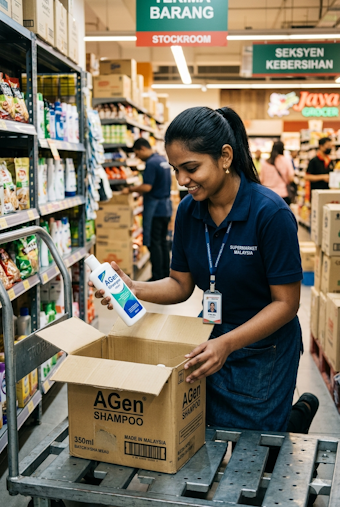
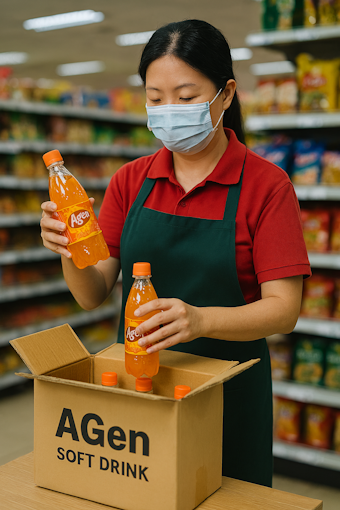
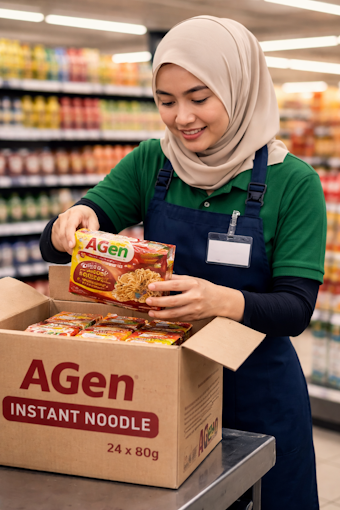 Retail Warehouse