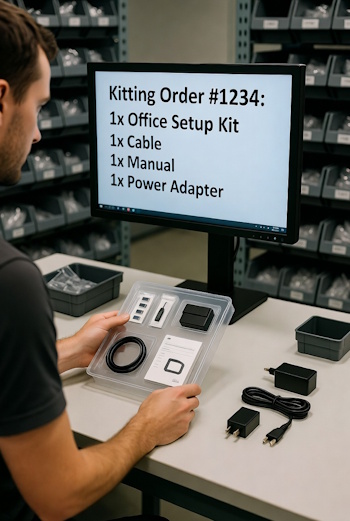
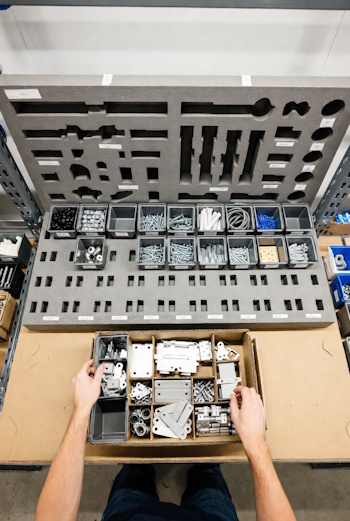
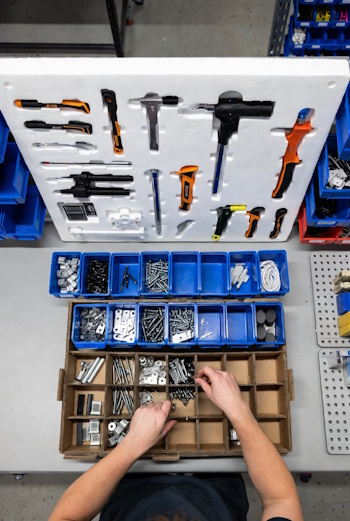
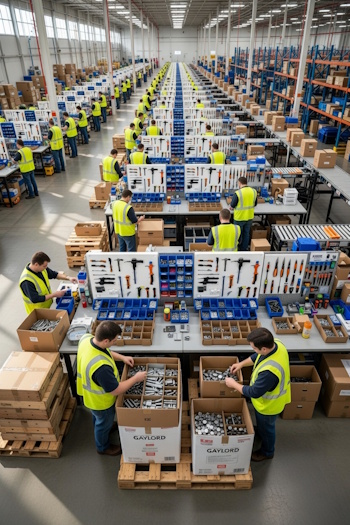
IntroductionAGen Kitting in warehouse management software (WMS) refers to the structured process of combining multiple individual inventory items—often called components, parts, or SKUs—into a single bundled product known as a kit. This kit is then managed, tracked, and fulfilled as one unified item within the warehouse system. Kitting helps streamline operations by reducing the number of individual picks during order fulfillment, improving accuracy, and speeding up the assembly or shipping process.
In a typical kitting workflow, AGen WMS identifies required components, guides warehouse staff to pick them efficiently, and records the consumption of each part to adjust inventory levels in real time. Once assembled, the kit receives its own SKU, which can be stocked, shipped, or used in production. There are two primary types of kitting: pre‑built kitting, where kits are assembled in advance and stored, and on‑demand kitting, where assembly occurs only when an order is placed.
Kitting is widely used across industries. In manufacturing, it ensures all parts required for an assembly operation are grouped and delivered to production lines. In e‑commerce, it supports product bundles such as gift sets or promotional packs. In maintenance and repair operations, kitting ensures technicians receive complete sets of required parts, reducing downtime and improving service efficiency.
By automating component tracking, kit creation, and inventory synchronization, warehouse management software helps reduce errors, optimize storage, enhance picking productivity, and improve overall workflow efficiency.
Feature Enables creation of kits using predefined bills of materials (BOM).
Automatically deducts component inventory when a kit is assembled.
Assigns a unique SKU to each completed kit for simplified tracking.
Supports both pre‑built and on‑demand kitting workflows.
Provides guided picking instructions for accurate component selection.
Shows real‑time visibility of kit availability and component stock levels.
Performs quality checks to validate correct components and quantities.
Generates work orders or tasks for kitting activities.
Tracks labor, time, and cost associated with kit assembly.
Offers reporting and analytics for kit performance and inventory usage.