Introduction
Finished goods surface inspection is a quality control process focused on examining the external condition of completed products before they are approved for packaging, storage, or shipment. The inspection aims to identify visible defects such as scratches, dents, cracks, discoloration, stains, or contamination that may affect product functionality, safety, or appearance. This step is especially important in industries where visual quality directly influences customer satisfaction, brand reputation, and regulatory compliance. By conducting thorough surface inspections, manufacturers can ensure products meet defined quality standards and customer specifications, prevent defective goods from reaching the market, reduce returns and rework costs, and support continuous improvement in production processes. Surface inspection may be performed manually by trained inspectors or enhanced through automated vision systems, depending on product complexity and quality requirements.
Feature
Visual Defect Detection – Identifies scratches, dents, cracks, stains, or discoloration
Quality Compliance – Ensures products meet defined quality standards and specifications
Customer Satisfaction – Maintains consistent product appearance and finish
Defect Segregation – Prevents defective goods from reaching packaging or shipment
Manual or Automated Inspection – Supports human inspection and vision-based systems
Traceability Support – Links defects to batches or production lots
Cost Reduction – Reduces rework, returns, and warranty claims
Process Improvement – Provides feedback to improve manufacturing processes
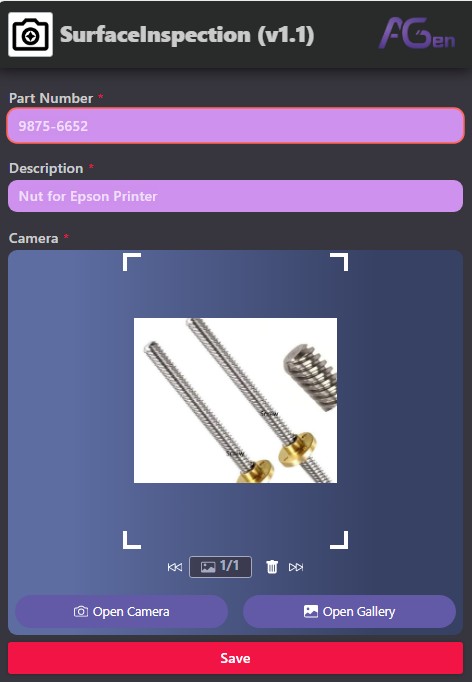
Process Flow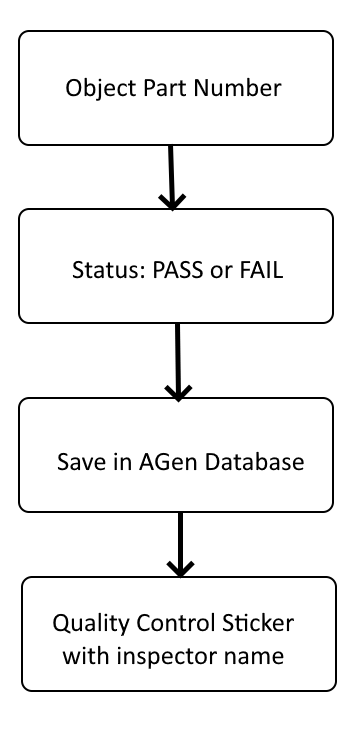 User Interface
 Factory Production